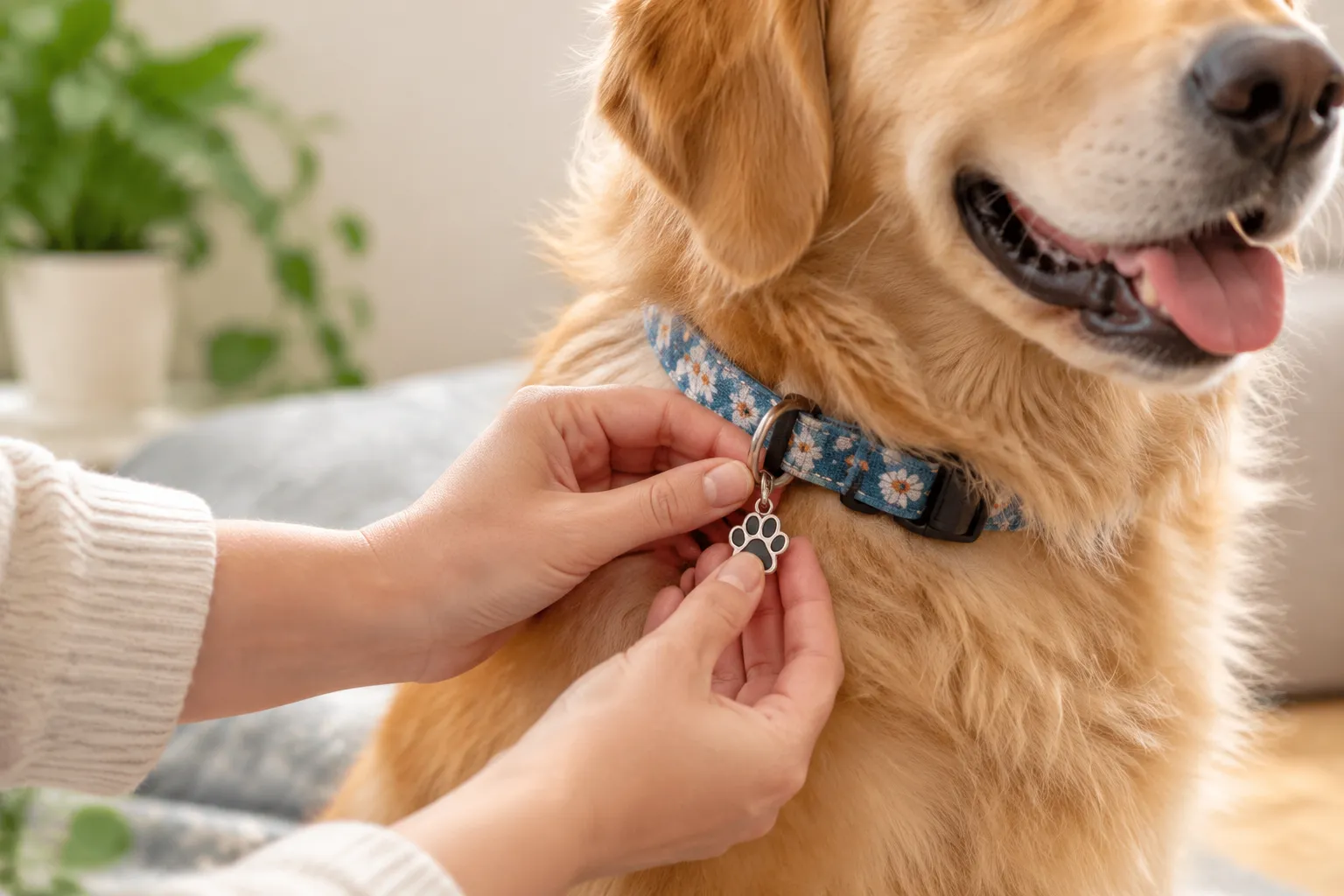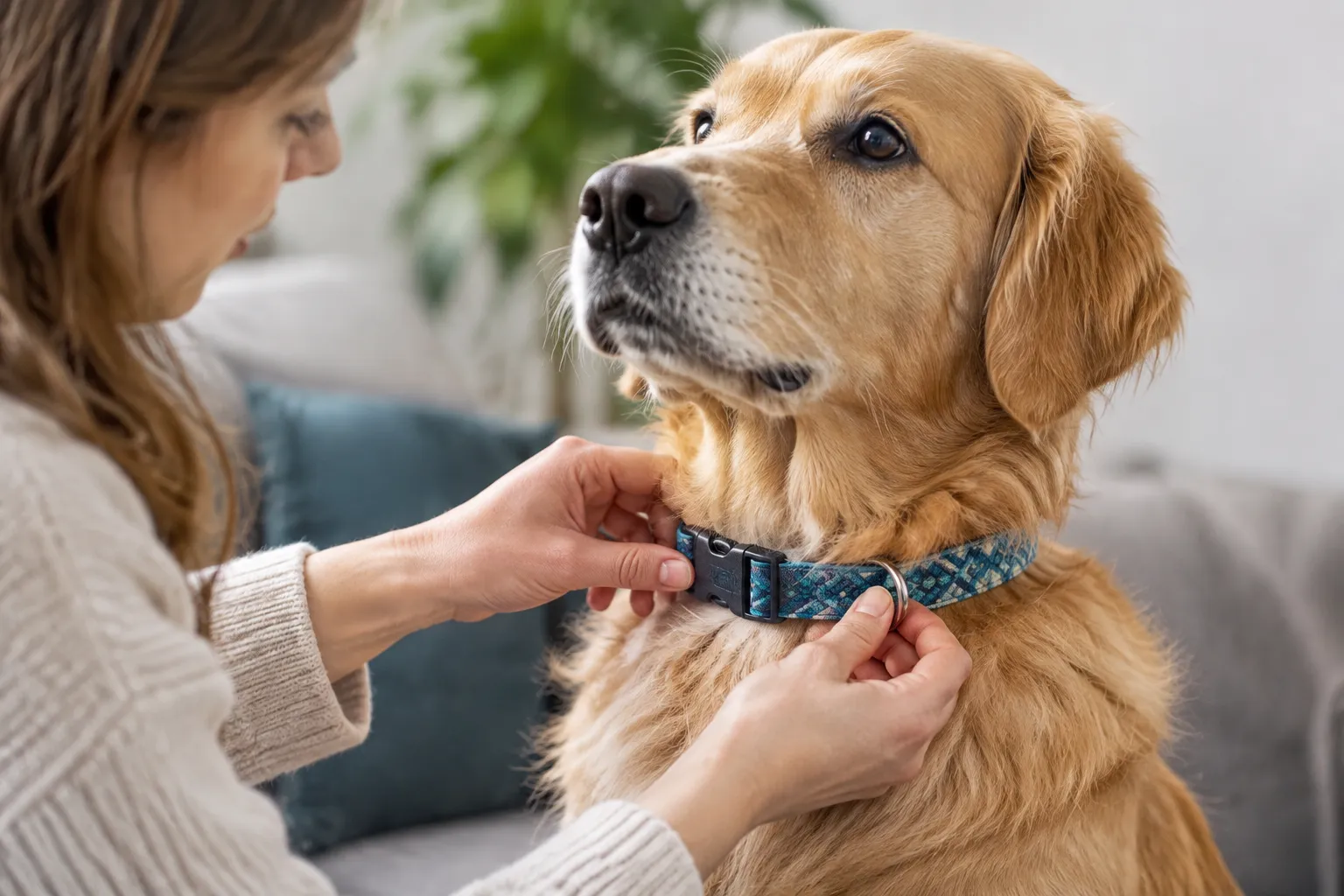
The box arrives on a Tuesday. Inside, a fleece-lined harness sits in a molded tray, a bag of salmon treats tucked into a paper sleeve printed with a batch number, and a small card explaining that the webbing was tested for tensile strength. The whole thing weighs less than a paperback. The recipient, a terrier named Olive, is indifferent to all of it. Her owner is not.
Pet products occupy a strange corner of retail. They are bought by one species and used by another, and the packaging has to satisfy both. A gift-ready version of that packaging has a harder job still: it must look presentable before the wrapping comes off, survive the trip from a warehouse to a birthday table, and then do something useful for the animal inside. Most pet packaging fails at least one of those tests. Plenty fails all three.
What follows is a working list of what gift-ready pet product packaging should include, drawn from the way these objects actually behave in the world: on shelves, in shipping boxes, under Christmas trees, and on kitchen floors at seven in the morning.
A window the buyer can read before the animal does
Gift packaging for pets has one job that most general-purpose packaging does not: it must let a human judge size and fit without opening anything. A collar rated for a 14-inch neck needs to be visible or measurable through the box. A harness labeled "medium" tells the buyer nothing until the chest girth is printed somewhere the eye lands. The best gift boxes for pet gear borrow a trick from shoe packaging and put a simple measurement diagram, front and center, often on the back panel where the gift-giver can read it before wrapping.
This matters more than it sounds. A gift for someone else's dog is a guess. The guess improves dramatically when the box shows a silhouette with two arrows and a number, rather than a stock photo of a golden retriever looking noble.
Durable outer construction that survives a courier
Most pet gift sets ship. A thin folding carton with a glossy finish looks elegant on a design mockup and arrives crushed in a plastic mailer. The gift-ready standard is a rigid box or a heavy corrugated sleeve, something with enough structure that the corners stay square through a sorting facility. Rigid boxes cost more per unit, and for gift sets that is usually the right trade.
There is a practical detail inside that construction worth naming: a snug insert. Molded pulp or a folded corrugated cradle keeps a chew toy, a brush, and a bag of treats from knocking into each other in transit. Loose items in a gift box arrive looking scavenged. A tray that holds each piece in place reads as care.
Materials the animal can safely investigate
Here is where pet packaging diverges sharply from packaging for humans. A person unwraps a gift and discards the paper. A dog or cat investigates the box, the tissue, the ribbon, the bag of treats, often with teeth. Anything in the gift package that touches a pet's mouth or skin needs to be benign.
That rules out a surprising amount of standard gift packaging. Metallic foil laminates, heavily inked tissue paper, plastic windows stapled at the edges, tiny desiccant packets that slip out of a sleeve. The safer set: uncoated or soy-ink printed board, paper-based tissue, cotton or paper twine in place of synthetic ribbon, and no loose small parts. Any treat bag inside should be resealable and food-grade, and it should not be the only barrier between kibble and a cardboard box.
A treat or toy that justifies the gift format
A box of pet supplies is not automatically a gift. What makes a gift set gift-like is the pairing: one practical item, one pleasurable item, presented together. A grooming mitt with a bag of training treats. A leash with a matching bandana. A puzzle feeder with a single sample pouch of food. The pairing signals that someone thought about the animal rather than grabbing the first thing off a shelf.
The weakest version of this is a branded box containing a single item that could have been bought loose. The strongest version adds something the buyer would not have assembled alone, and does it without inflating the price to the point that the practical item gets buried. A reasonable ratio is one anchor product, one consumable, and one small surprise, all visible through the same opening.
Assembly and care instructions on a card, not a sticker
Pet gear has a way of arriving with its instructions glued to the bottom as a sticker, which is then peeled off and lost. Gift-ready packaging treats instructions as part of the present. A printed card, roughly the size of a postcard, with three or four short steps and one line about cleaning, belongs in every gift box. For a harness or a car seat cover, a diagram beats a paragraph. For a treat, a feeding guide with a recommended daily amount and a note about transitioning from another food earns its place.
The card also carries the batch or lot number, which matters if a recall ever happens. A gift-giver who can point to a card is a better ally to the recipient than one who throws away the box and remembers nothing.
A resealable inner bag for anything edible
Treats and food samples arrive in gift sets more often than any other category, and they are the item most likely to be opened on the spot and then abandoned. A zip closure on the inner bag, or a tin with a lid that actually seals, keeps the contents fresh past the first week. This is a small feature that separates a gift set from a sample pack. It also protects the rest of the box from crumbs and grease during shipping, which is the difference between a clean presentation and a greasy one.
Clear labeling of ingredients and sourcing
Pet owners have become careful readers of ingredient panels, and a gift set should make that reading easy. The packaging should list the full ingredient statement in a legible font, identify the country of manufacture or sourcing where known, and flag common allergens such as chicken, grain, or dairy in a consistent spot on the back panel. For toys and chews, the material composition belongs on the box as well, since the differences between natural rubber, thermoplastic rubber, and nylon matter to how a dog will use the object and how long it will last.
This is also where gift packaging can earn trust. A box that prints its materials plainly, without burying them in a fold, tells the buyer the brand expects scrutiny. A box that hides them tells the opposite.
A reusable container or a clean path to recycling
Gift packaging generates waste in front of the recipient, which is an awkward moment to hand someone a bin full of plastic. The better gift boxes are designed so that the container does a second job. A rigid box with a lid becomes a toy bin. A cotton drawstring bag becomes a travel pouch for treats. A tin becomes a storage container for the food scoop. Where reuse is not realistic, a single-material box with a printed recycling note and no laminated layers is the next best option.
The worst offenders in this category are molded plastic windows set into a cardboard frame. They cannot be separated without a knife, and most end up in landfill. A paper window or an open cutout does the same visual job and stays in one waste stream.
A gift note area that does not require a marker
Gift-ready packaging often includes a card or a spot for a message. The useful version has a smooth, uncoated patch where a pen writes cleanly, and it is placed where the recipient encounters it first, not buried under the product. A small envelope or a folded card tucked into the lid works. A blank panel printed on the outside of the box is a low-cost alternative that still reads as intentional.
The note is also the place where a gift set distinguishes itself from a shipment. A birthday message, a rescue-day message, a short line about which item to try first. It costs almost nothing and changes the tone of the entire box.
Sizing information for the buyer, not the shelf
One more practical element that gift packaging for pets tends to skip: a size chart that reflects the actual animal in the recipient's home. Most collars and harnesses are bought by guesswork, and the returns are expensive for everyone. A gift box that includes a paper measuring tape, or a simple diagram showing where to measure neck and chest, turns a guess into a fit. It also gives the recipient a reason to keep the card, which is a small brand win that costs a few cents.
The unboxing moment that the animal actually experiences
All of this packaging exists to serve a moment that lasts about ninety seconds: the box opens, the paper comes off, and a pet noses into the contents. A gift-ready package plans for that moment with the same care it plans for the shelf. It puts the most interesting item on top. It avoids loose ribbon that a cat will swallow. It includes a treat the animal can have immediately, while the humans are still reading the card.
The measure of good pet gift packaging is not how it photographs. It is whether the recipient's owner can hand the box to the animal, watch the investigation begin, and not have to intervene. When a terrier named Olive pulls a salmon treat out of a paper sleeve, drops it on the kitchen floor, and looks up for another, the packaging has done its job. Everything else, the insert and the batch number and the recycling note, sits underneath that moment, holding it up.