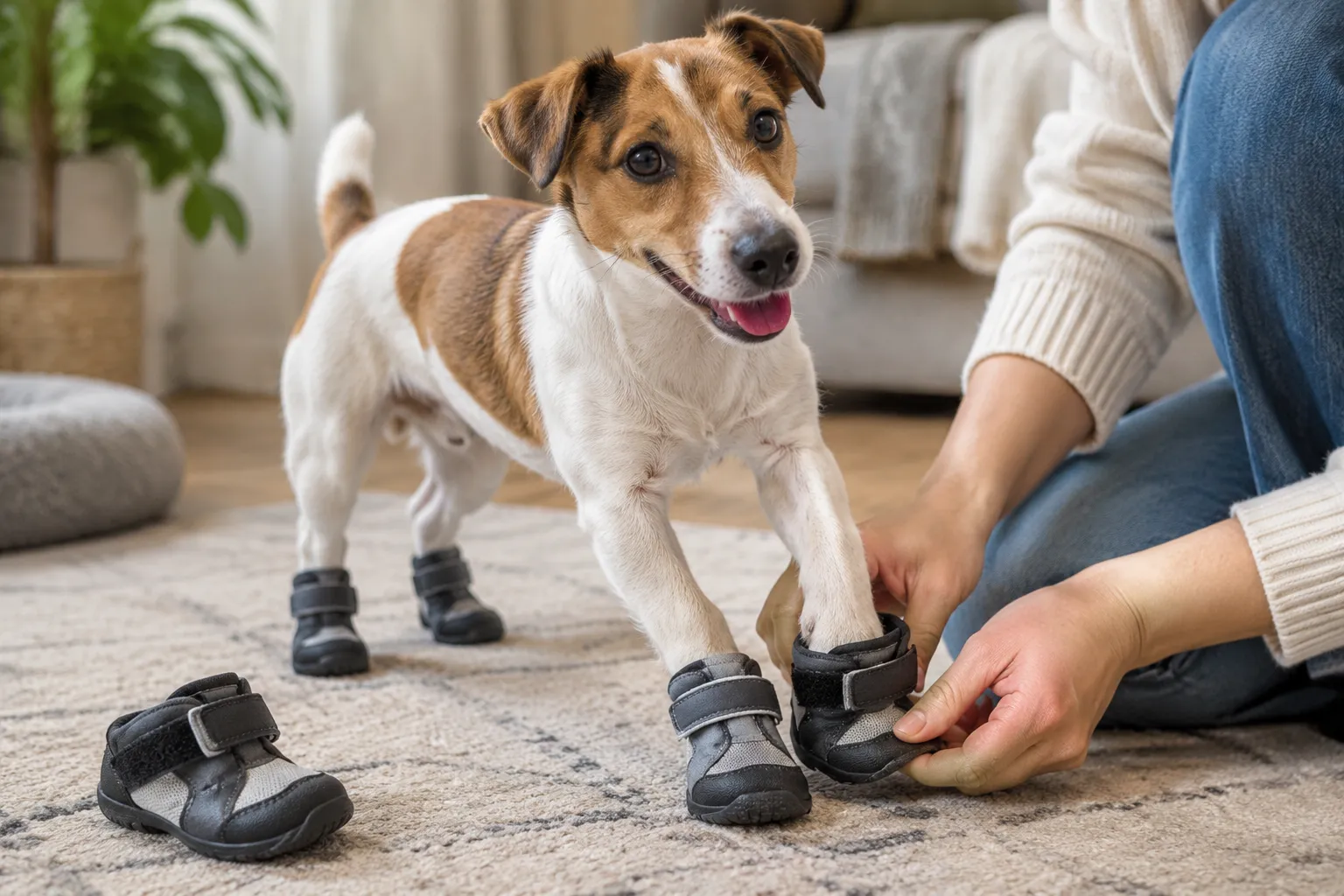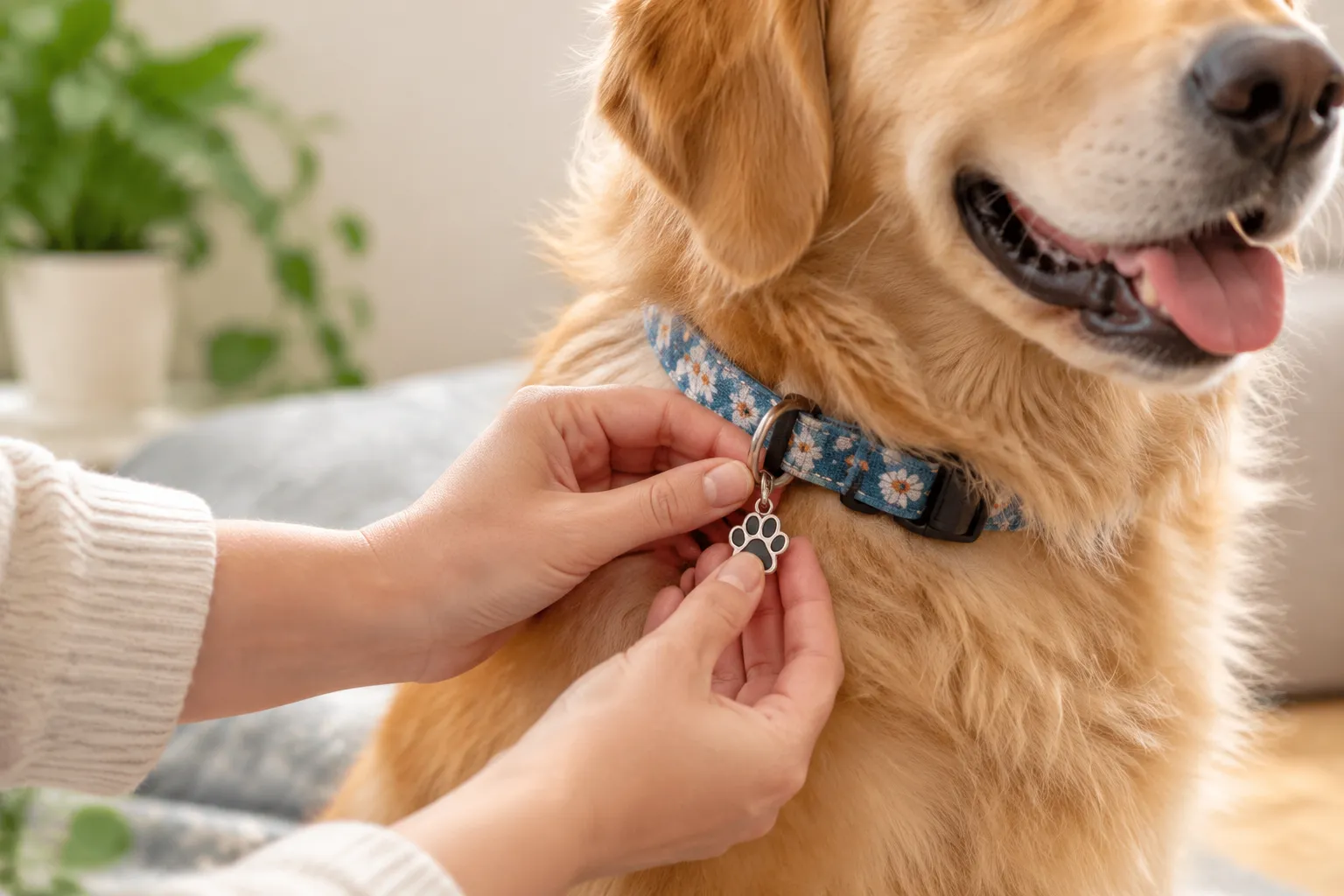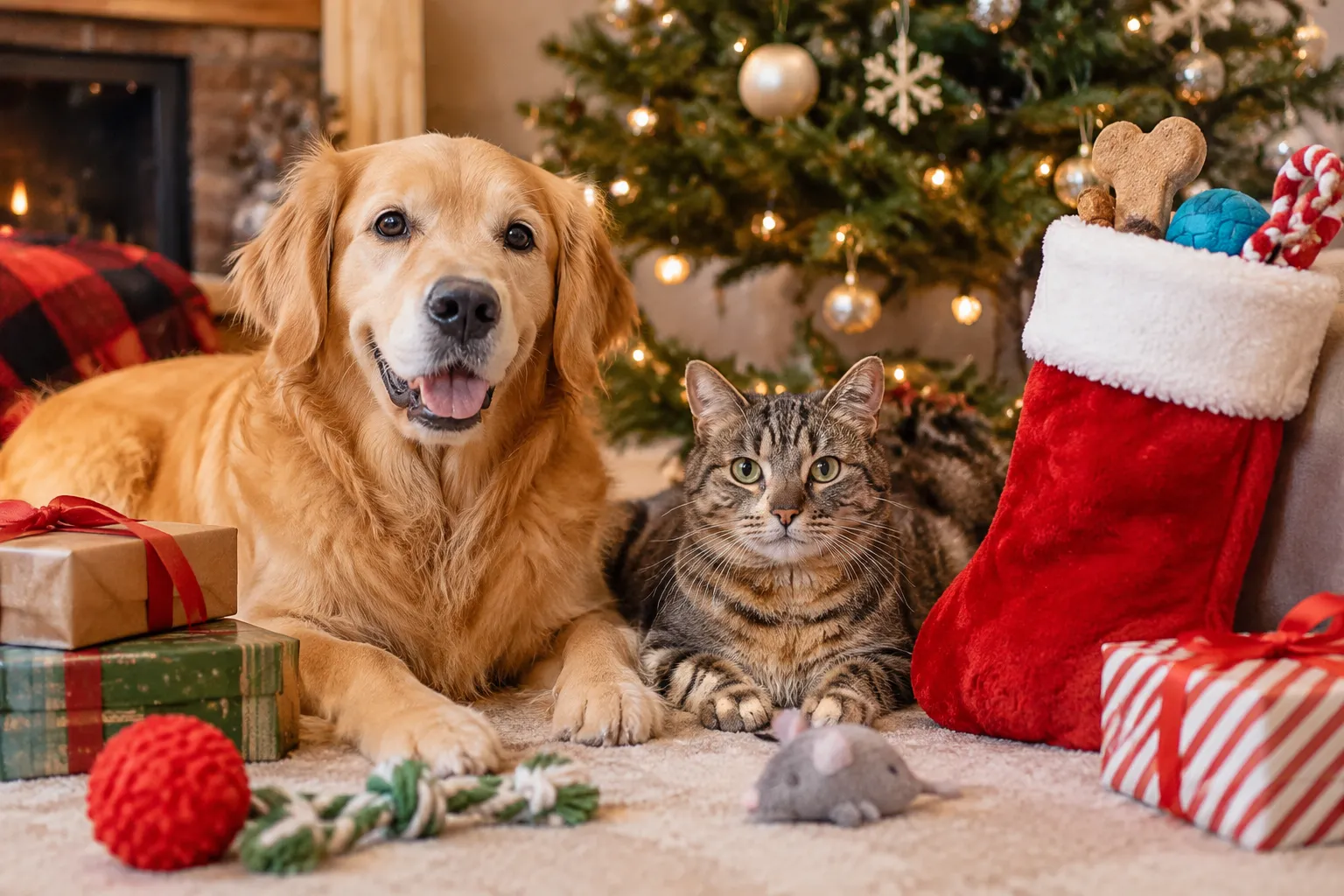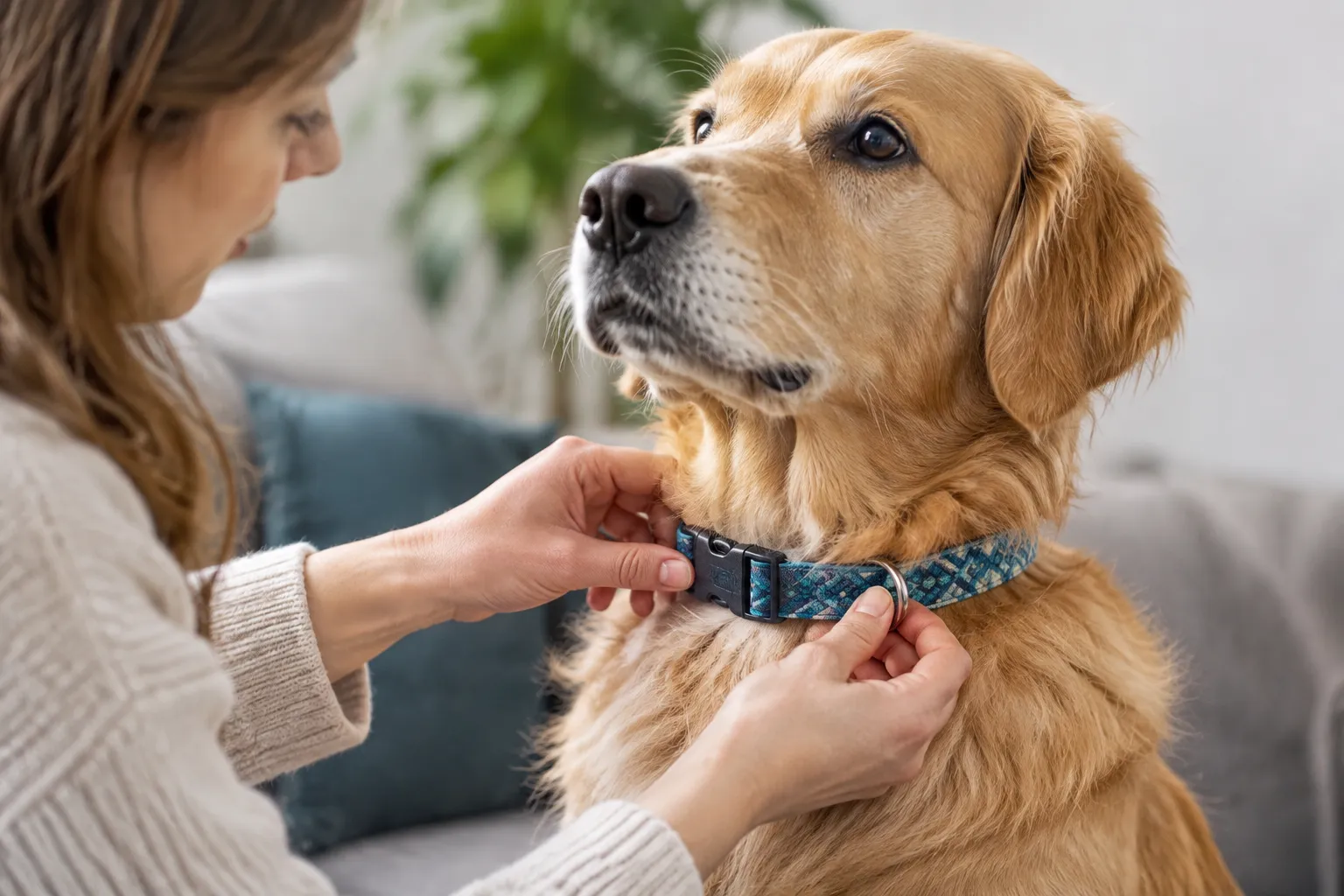
A plush duck that quacks the first three notes of a pop song, a cat bed shaped like a ramen bowl, a dog collar with a tiny engraved nameplate that arrives in a box the size of a shoebox. Trendy pet gifts are easy to find in November and easy to regret by February. The pattern repeats because the buying decision happens in one kind of store, physical or digital, and the living with the gift happens somewhere else entirely: on a kitchen floor, in a laundry basket, under a radiator in a cold room at 6 a.m.
Most of the mistakes are not really about taste. They are about where the attention goes during the purchase. The gift looks like something in a photograph. The animal meets it as a physical object with a weight, a smell, and a surface. Those two experiences can diverge sharply, and the gap is where the money goes to die.
Buying the photograph, not the object
Pet gift packaging has gotten very good. A knitted sweater for a greyhound photographed on a greyhound with good posture and a soft light behind it can convince almost anyone that the sweater is the gift. The sweater is actually a knot of acrylic, a collar opening that does not clear the dog's ears, and a hem that rides up at the shoulder every time the animal walks.
The photograph is a sales document. It tells a buyer what the object could look like in a life that is not theirs. The object itself tells the truth the moment it is unpacked: the seams, the weight, the way the fabric pills after one wash, the plastic clip that feels like it will crack in a cold car.
A useful habit is to picture the gift out of its packaging and in the room where it will actually live. Not on a rug with a styling prop, but next to a food bowl that already has a chip in it, half under a chair. If the object looks stupid there, it is probably the wrong object.
Ignoring the animal's size on the second visit
Puppies and kittens get gifts at the size they are in the photograph, which is the size they will be for roughly six weeks. A trendy harness bought for a twelve-week-old Labrador is a lovely object that fits a twelve-week-old Labrador. By the time the animal is a year old, the harness is a memory and the money is a memory.
The same problem runs the other direction for older animals. A senior cat with a stiff hip does not want a tall-sided litter box with a lid, no matter how sleek it looks in the listing. The box is a small architecture, and the animal has to climb into it every day. Buying for the animal in the photograph, rather than the animal that will use the thing for years, is one of the quietest and most expensive mistakes on this list.
Size is the easy thing to check. The harder thing is to check the animal's current shape and habits against the object: how high it can step, how far it can reach, whether it sleeps sprawled or curled, whether it already has a favorite corner that the new bed is meant to replace.
Gifts that need supervision to be safe
Some trendy pet gifts come with an instruction that most buyers skim past: supervise use. A rope toy with a decorative knot, a plush with plastic eyes sewn on, a battery-operated ball that lights up, a chew with a shape that can break into chunks. Each of these is fine in the right hands, and each of them is a hazard in a household where nobody is watching.
Chew toys in particular deserve a hard look. A toy that is too hard for the animal's teeth can cause wear or a crack; a toy that is too soft can be swallowed in pieces. The right firmness depends on the animal's jaw and chewing style, and it is not something a label can decide. A gift that requires a human to sit on the floor and watch is a gift that transfers work to the recipient, which is a strange thing to give at a birthday.
For households with children, or with multiple animals, or with a dog that resource-guards, the supervision requirement becomes a real constraint. A toy that is safe in a calm single-pet home can be a fight waiting to happen in a busy one. This is a judgment call, but it is a judgment call that should happen before the purchase, not after the first emergency vet visit.
Treating enrichment as a one-time purchase
A puzzle feeder, a snuffle mat, a lick mat with a trendy pattern, a treat-dispensing ball: these are the gifts that show up in gift guides because they photograph well and because the idea of them is appealing. The idea is that the animal will be mentally engaged, calmer, less destructive. The reality is that most of these objects get solved in about four minutes and then sit in a cupboard.
Enrichment is a practice, not a product. The best version of it is a rotation: a few objects that get swapped in and out so the animal meets them fresh. A single expensive puzzle feeder given once is a novelty. Three cheap ones rotated on a shelf are a system.
The gift that respects this is usually smaller and cheaper than the gift that ignores it. A set of cardboard boxes, a paper bag with treats folded inside, a muffin tin with a few pieces of food in the cups. Trendy pet gifts tend to be single objects with a high price and a short useful life; enrichment that actually works tends to be a habit with a low price and a long one.
The collar that is a fashion object first
Collars, harnesses, and leashes are where the trendiest pet gifts and the most safety-critical pet gear overlap, and the overlap is not comfortable. A collar with a cute charm, a thin braided cord, a decorative buckle, a leash with a fashionable knot: each of these is a piece of equipment that will one day be the only thing between an animal and a road.
The charm can be chewed off. The thin cord can cut into a neck under load. The decorative buckle can fail. None of these are certainties, and many fashionable collars are perfectly well made. The problem is that the fashion signal and the safety signal are not the same signal, and a buyer looking at a collar in a gift guide has no way to tell them apart from a photograph.
A reasonable test is to imagine the collar under a hard pull, in the rain, at dusk, with a startled animal at the end of it. If the answer is uncertain, the collar is a costume, and a costume is a fine gift for a photograph and a poor one for a walk.
What the recipient actually keeps using
Ask anyone who has owned a dog for a decade what pet gift survived, and the answer is usually unglamorous. A sturdy flat leash. A bed with a washable cover that has been washed so many times the color has gone pale. A set of stainless steel bowls. A cheap rubber ball that has been lost and found in the garden a hundred times.
These objects share a quality: they are built to be used roughly and often. They do not depend on the animal behaving like the animal in the photograph. They survive being dragged, chewed, washed, and left in the rain. They are the opposite of a trend, which is why they are rarely in the gift guide and almost always in the cupboard ten years later.
The buyer who wants to give a trendy pet gift can still do it. The move is to find the trendy object that has been built like an unglamorous one: the fashionable bed with a removable cover, the good-looking leash with a metal clip and a wide webbing strap, the puzzle toy with no small parts. Trend and durability can coexist. It just takes a few more minutes of looking past the photograph.
The gift receipt as the real test
A pet gift that cannot be returned is a gamble dressed as a present. The animal cannot say whether the bed is the wrong size or the toy is frightening, and the person who receives the gift is often too polite to say it either. A gift receipt solves this quietly and removes the social friction from a decision the animal has already made.
This is not a small point. The single most useful thing a buyer can do with a trendy pet gift is to make it easy to undo. The gift that gets returned is not a failure; it is a gift that found its correct form, which is a refund and a better object chosen later, with the animal in the room.
The worst outcome is the object that stays in the cupboard for two years because returning it feels like an insult. That object is a small monument to a purchase made in the wrong frame of mind. The best outcome is a scuffed, chewed, slightly ugly thing that the animal uses every day and that nobody photographs anymore, because it has been in the same corner for so long it has stopped being visible.