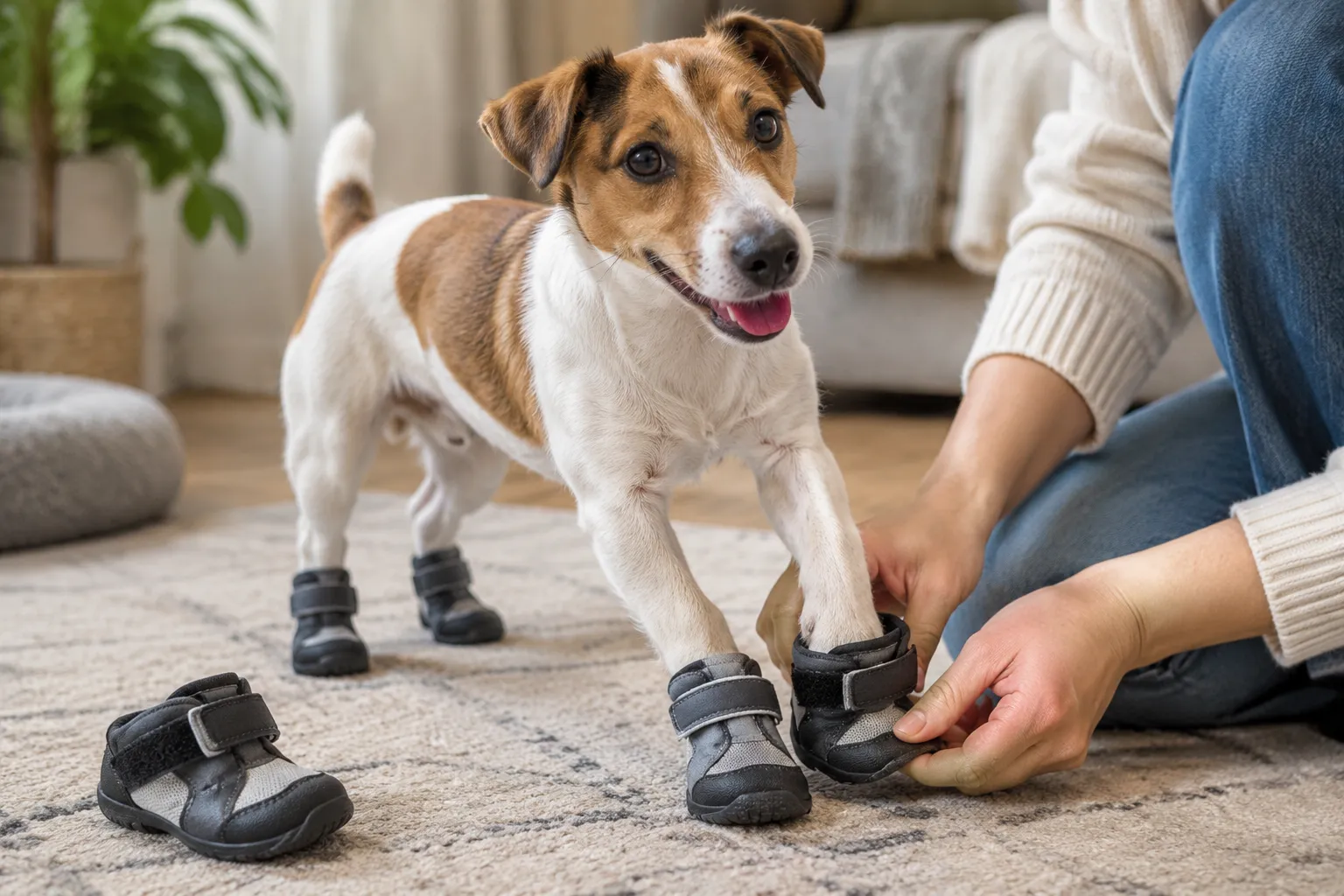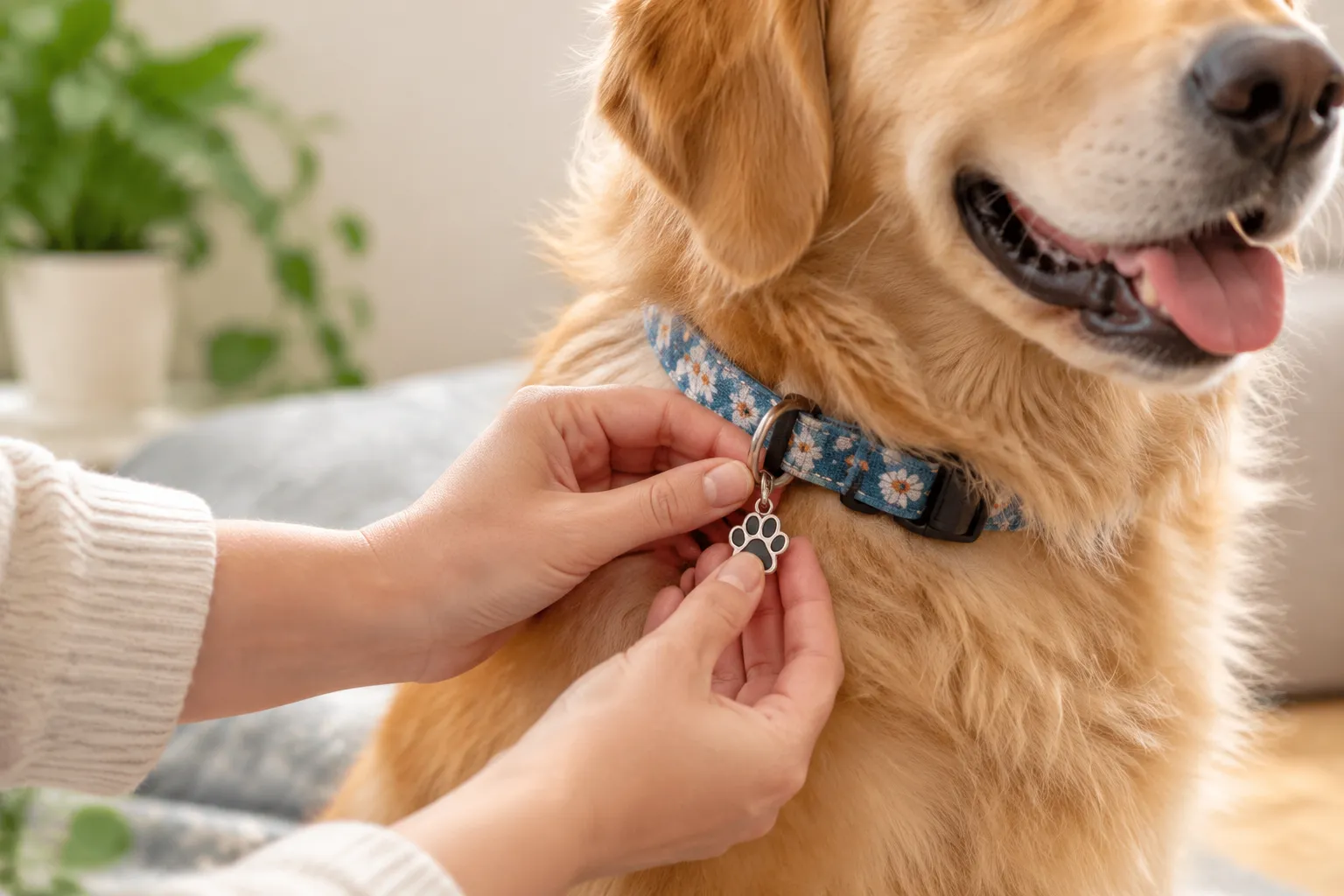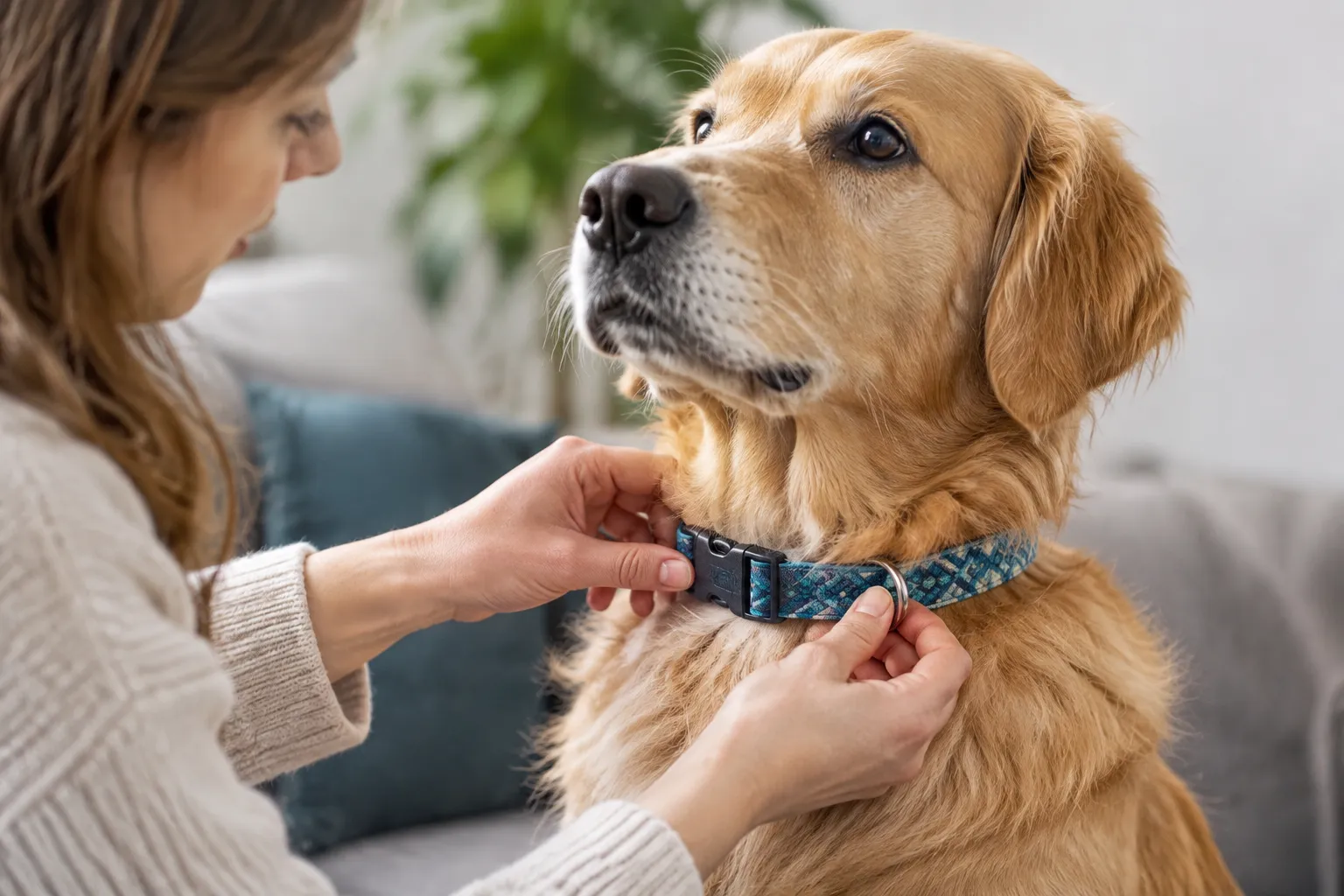
A sequined harness that has survived a muddy October walk deserves better than a bucket of soapy water and a radiator. Pet fashion accessories occupy an awkward category: they are worn like clothing, soiled like gear, and constructed with the mixed loyalties of a toy manufacturer. A faux-fur collar is glued, stitched, and dyed. A nylon raincoat is welded at the seams. A tiny leather vest has a suede lining and a plastic buckle. Treating all three the same way is how a favorite piece turns into a matted, discolored mess in a single wash cycle.
The cleaning question splits by material, and the material rarely announces itself. A quick inspection before any water touches the piece is the difference between restoration and ruin. The zipper pull, the care tag if one exists, the backing behind a rhinestone, the seam finish, the smell of the fabric when rubbed: these details decide the method. Most damage to pet accessories happens because the wrong cleaner met the wrong surface, not because the piece was dirty.
Reading the label and the object before reaching for a cloth
Care tags on pet accessories are unreliable. Many pieces carry no tag at all, and the ones that do often list a fiber content without a washing instruction. The object itself is a better guide. Turn the piece inside out and look at the seams: serged edges suggest a garment that can tolerate gentle agitation, while glued seams and raw-cut edges signal something that should stay away from a washing machine entirely.
Hardware tells a similar story. A metal D-ring that has started to pit will shed rust onto damp fabric within hours. Plastic buckles crack when exposed to heat, which rules out hot water and tumble drying. Rhinestones and glued-on embellishments loosen in warm water, and once the adhesive fails there is no clean way to reattach a single stone without leaving a visible patch. A five-minute inspection catches all of this before the damage is done.
Odor is the other diagnostic. A sour, milky smell points to protein-based residue, usually saliva or food, and calls for an enzymatic cleaner. A sharp chemical smell may mean the piece was stored near a cleaning product or has picked up residue from a recent flea treatment. Those two problems need different responses, and neither responds well to a generic detergent.
Fabric accessories: nylon, cotton, and the gentle cycle question
Nylon and cotton are the forgiving end of the spectrum. A cotton bandana, a canvas step-in harness, a simple nylon collar with a plastic buckle: these tolerate a cold-water hand wash with a small amount of mild detergent. The water should be cool to the touch, roughly the temperature of a cool bath, and the piece should be agitated gently by hand rather than wrung or twisted.
A washing machine is tempting, and for a plain cotton bandana with no hardware it is defensible on a delicate cycle in a mesh bag. For anything with buckles, rings, or reflective piping, the machine is a gamble. Agitation bends metal hardware against the drum, and reflective tape delaminates after a few cycles. The mesh bag protects the fabric and does nothing for the hardware.
Rinsing matters more than most people expect. Detergent residue left in webbing stiffens it and attracts dirt faster. Two thorough rinses in cool water, until the water runs clear and no suds remain, are worth the extra minute. Pressing the piece between two towels removes most of the water without distorting the weave. Hanging a wet nylon harness by one strap stretches that strap; laying it flat on a drying rack keeps the shape.
Faux fur and plush trim: the cornstarch method and its limits
Faux fur is the material most likely to be ruined by well-intentioned cleaning. The fibers mat when rubbed, the backing shrinks when soaked, and heat melts the synthetic pile into a crusty, irreversible tangle. A full immersion wash is almost always the wrong move.
For light soiling, a dry approach works better. Sprinkling cornstarch or baking soda into the pile, letting it sit for fifteen to twenty minutes, and then brushing it out with a soft-bristled brush lifts oils and surface dirt without wetting the backing. The brush should move in the direction of the pile, in short strokes, the way one would groom a long-haired cat. For spot stains, a cloth barely dampened with cool water and a drop of mild soap, dabbed rather than rubbed, is the limit of what the material will tolerate.
Drying faux fur requires air and patience. A hair dryer on the cool setting, held at a distance and moved constantly, can help reset the pile after a spot clean. Heat is the enemy here; warm air from a dryer or a radiator fuses the fibers. A faux-fur collar that comes out of a hot dryer looks like a worn-out stuffed animal, and no amount of brushing brings it back.
Leather and faux leather: conditioning instead of washing
Genuine leather and its synthetic cousins should never be submerged. Water stains leather, stiffens it as it dries, and can pull the finish. Faux leather, usually a polyurethane coating over a fabric backing, delaminates when soaked, and the peel starts at the edges and seams where the coating is thinnest.
Surface cleaning is the whole method. A cloth wrung nearly dry, with a small amount of saddle soap for genuine leather or mild dish soap for the synthetic version, wiped across the surface and then buffed dry, handles most everyday grime. Genuine leather benefits from a thin coat of conditioner afterward, applied sparingly and buffed, to keep the surface from cracking. Faux leather skips the conditioner; the coating does not absorb it and the residue attracts lint.
Mud is the common problem here, and dry mud should be allowed to dry completely before it is brushed off with a soft brush. Wiping wet mud smears it into the grain and pushes it into the stitching. Once the piece is dry and brushed, a damp cloth handles whatever remains.
Hardware, rhinestones, and the parts that fail first
Metal hardware is where a clean accessory starts to look old. Water left in the crevices around a D-ring or a rivet rusts quietly, and the rust bleeds into the surrounding fabric. After any damp cleaning, drying the metal thoroughly with a cloth and then letting the piece air out fully prevents most of this. A tiny amount of clear nail polish around the base of a rivet, applied before cleaning and allowed to cure, slows the process on pieces that are already showing wear.
Rhinestones and glued embellishments need to be treated as fragile from the start. They should never go into a washing machine or a tumble dryer, and they should not be soaked. A cotton swab dipped in cool water, blotted around each stone and then dried immediately, keeps the adhesive intact. Pieces with heavy embellishment are best cleaned by spot treatment only, which means accepting that they will never be as thoroughly clean as a plain nylon collar, and that is the correct trade.
Drying, storage, and the smell that comes back
Drying is where a clean piece either stays clean or develops a musty edge. Direct sunlight fades dyed fabrics and degrades synthetic fibers, so a shaded, well-ventilated spot is better than a sunny windowsill. A piece that smells faintly of damp after it dries was not dried fast enough, and the odor will return with the next humid day.
Storage compounds the problem. Accessories stuffed into a drawer or a plastic bin trap moisture and odor. Hanging them on a hook or storing them loosely in a breathable cotton bag lets air circulate. A cedar block nearby discourages moths without perfuming the fabric, which matters for a piece that sits against an animal's skin.
When to stop cleaning and start repairing
Some damage cannot be cleaned away, and recognizing that saves a piece from further harm. A seam that has started to pull, a buckle with a hairline crack, a rhinestone setting that has loosened: these are repair problems, and cleaning a compromised piece makes the failure worse. A cracked plastic buckle that goes through a wash cycle comes out in two pieces. A loose stone that gets soaked loses its adhesive entirely.
The practical order is repair first, clean second. A quick pass with a needle and thread on a pulling seam, or a replacement buckle sourced before the old one fails completely, keeps the accessory in service. Cleaning is maintenance; repair is what keeps the maintenance from being wasted. The sequined harness that started this line of thinking can survive a muddy October walk, but only if the mud is brushed off dry, the sequins are spot-cleaned, and the piece is laid flat to dry away from any radiator. The bucket of soapy water is for the dog.