A knitted sweater for a whippet is a small engineering problem disguised as a gift. The dog has a deep chest, a wasp waist, and legs like pencils. The sweater is cut for something closer to a fire hydrant. The result goes on the shelf with the reindeer antlers and the birthday bandana that lasted four seconds before it was shaken into the hydrangeas. The giver meant well. The dog is not being difficult. The garment simply did not account for the animal underneath it.
Pet clothing has become a real category, with real money behind it, and most of it is sold on the appeal of the photograph rather than the behavior of the wearer. There are six mistakes that show up again and again in the gap between a cute product listing and a dog or cat that will actually tolerate being dressed. Each one is avoidable, and each one costs a gift its whole purpose.
Buying for the breed in the photo rather than the animal in the room
A gift sweater sized for a Pomeranian and a gift sweater sized for a pug are different garments even when the label says both are small. The body shapes diverge wildly. Dachshunds carry length in the spine and almost none in the leg. French bulldogs carry width in the chest and a neck like a fireplug. Greyhounds and whippets have the deep-chest, tucked-waist profile that makes a standard tube of knit fabric hang loose at the belly and bind tight at the shoulders.
The generous move is to measure the pet, not the breed. Neck circumference, chest girth just behind the front legs, and back length from the base of the neck to the tail. Those three numbers, taken with a soft tape while the animal stands, will do more for a gift than any sizing chart on a product page. A sweater that fits the chest and the length but leaves the belly exposed in winter is a draft, not a coat.
Choosing wool because it is warm rather than because it is quiet
Warmth is the obvious criterion and it is the least interesting one. The fabric that sits against a pet's skin has to survive scratching, rolling, and the occasional enthusiastic encounter with a hedge. A coarse wool that feels rustic and handsome on a hanger can turn into a sandpaper collar the moment the animal tries to walk in it. The result is a stiff, crab-like gait and a lot of head-shaking.
Soft, smooth yarns that will not pill under friction are the better bet. Cotton blends, fine acrylics, and fleece-backed knits sit flat and move with the body. The garment should be light enough that the animal forgets it exists within a few minutes. A sweater that weighs half a pound on a six-pound cat is a coat made of lead, no matter how good the color looked online.
Ignoring the leg holes and the tail opening as fit points
Most sizing conversations stop at chest and length. The openings for legs and tail are where a garment actually succeeds or fails. A leg opening that is a half inch too tight will chafe the inside of the front leg on every step. A tail opening that sits too low will catch on the base of the tail and pull the whole back of the sweater forward. A neck opening that is snug enough to look sharp will fight the animal's ears and make dressing a wrestling match.
For cats, the tail and the shoulder blades matter even more than the chest. Cats have a loose skin over the shoulders that lets them twist and compress through gaps, and a garment that does not allow that motion reads as a trap. The gift that earns its place is the one cut so the animal can do everything it normally does: walk, sit, scratch, and turn its head without the fabric riding up the neck.
Picking a costume instead of a garment
The lobster costume, the taco shell, the bumblebee with the little wings. They photograph beautifully. They are also rigid, layered, and full of straps and velcro that dig in at the shoulders and around the chest. An animal in a costume usually reads as an animal in a costume: stiff-legged, head down, tail low, trying to back out of it. The photograph lasts a minute. The memory of the animal's misery lasts longer.
A gift of wearable clothing should be something the pet can keep on for an afternoon, not something that comes off the instant the camera is put away. If the point is a holiday photo, a simple knit in a seasonal color will do the same work and the animal will not spend the rest of the evening trying to hide under the sofa. Costumes are a one-off. Clothing is a relationship.
Forgetting the fasteners and how they behave on a moving animal
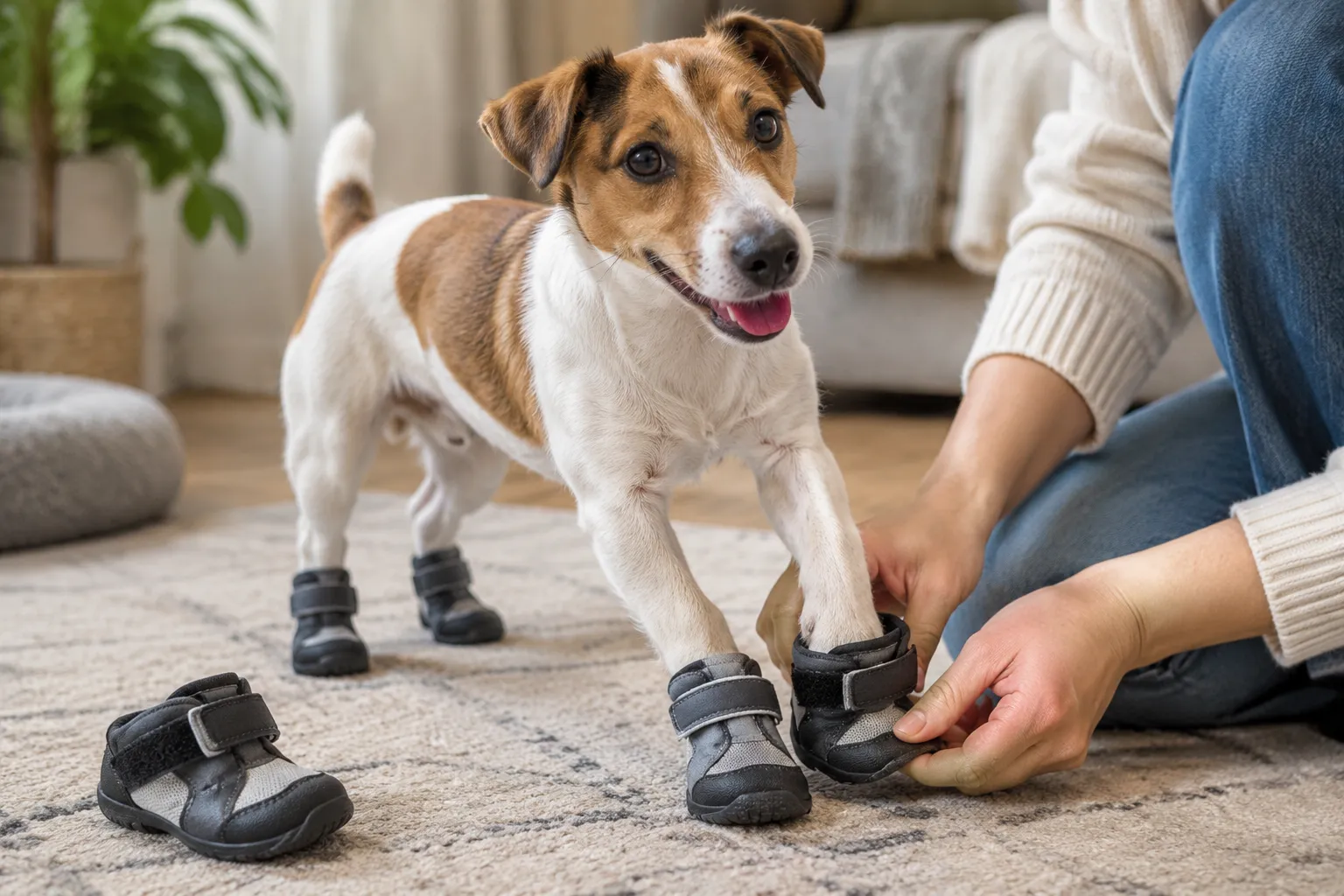
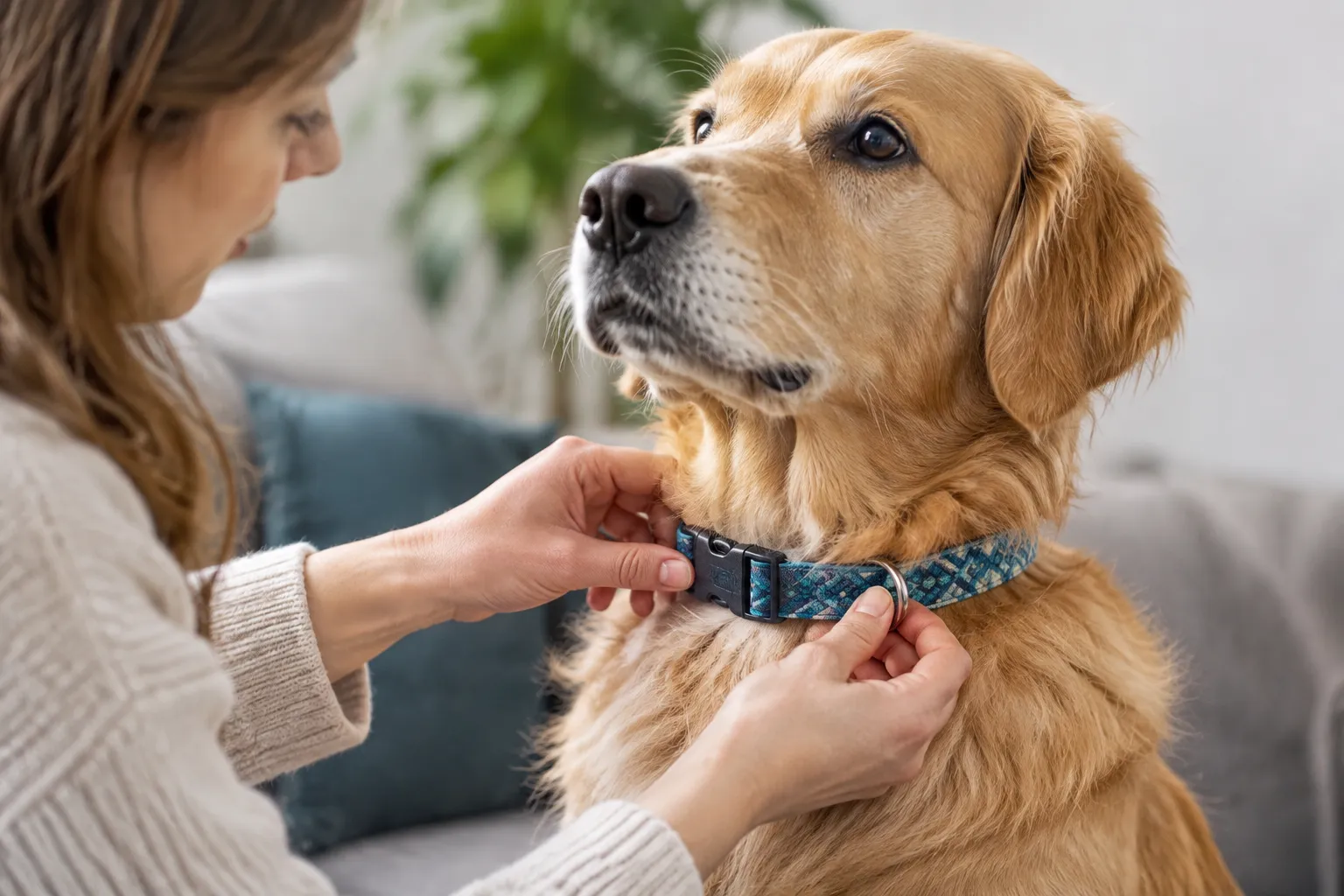
Buttons, snaps, zippers, and velcro all fail in different ways. A button can pop off and become a choking hazard on the floor of a car or a living room. Velcro, when it is cheap, loses its grip after a dozen washes and starts to release mid-walk. A zipper that runs down the back of a dog with a thick coat can catch hair every time it is pulled. The fastener is the part of the garment that gets handled most, and it is the part most often treated as an afterthought.
The sturdier option is usually a simple slip-on or a wide, flat band of elastic with a generous belly panel. Fewer moving parts, fewer failure points, less fumbling in the dark before a morning walk. The gift should be easy to put on a wriggling animal in under thirty seconds. If dressing takes longer than the walk, the garment has already lost.
Treating clothes as a full-time wardrobe instead of a short-term layer
Clothing is useful for a narrow set of situations: a thin-coated dog in genuine cold, an older animal with poor circulation, a cat recovering from a procedure that needs the incision covered, a short-haired breed on a wet winter walk. In those cases a well-fitted layer earns its keep. In most other cases the pet is fine, and the clothing is for the person.
That is worth naming plainly, because it changes what a good gift looks like. If the pleasure is in the giving, then a gift that the animal wears once and resents is a gift to the giver. If the pleasure is in the pet being comfortable, then the gift is a garment the animal tolerates easily, wears for an hour, and forgets about. There is no shame in either motive. There is shame in pretending they are the same thing. A well-chosen coat for a thin-coated dog on a cold morning will get more use than a dozen novelty outfits, and the animal will walk to the door instead of away from it.