A dog in a pirate costume is a reliable sight gag. A dog in a cheap pirate costume is a different thing altogether: a slightly sad object, all shiny fabric and drooping trim, that seems to be apologizing for itself. The gap between those two outcomes is rarely about money. It is about a handful of construction choices that signal low quality from across a room, often before anyone has consciously registered the costume at all.
Pet apparel has grown into a genuine category, with boutique makers cutting tweed harnesses and raincoats to measure, and it has also grown into a discount bin stuffed with synthetic nonsense. Both exist. The mistakes below are the ones that push an outfit toward the discount bin end of that spectrum, and most of them are fixable for the price of a sewing kit or a moment's restraint at checkout.
Sizing Bought by Weight Instead of Measured
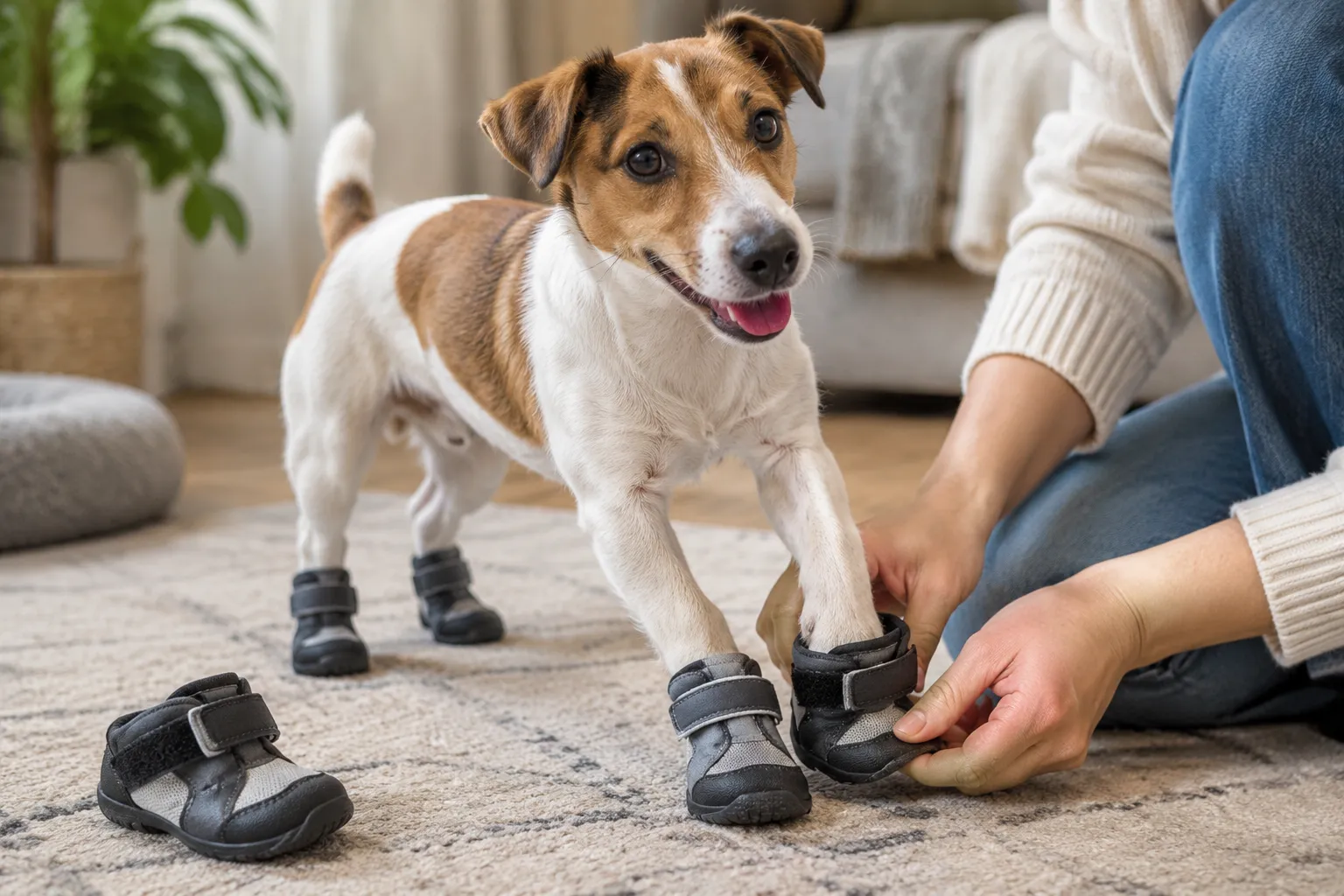
Most pet clothing is sold in sizes keyed to body weight: small, medium, large, with a chart that says a medium fits dogs from fifteen to twenty-five pounds. That chart is close to useless. A shih tzu and a Jack Russell terrier can weigh the same and have completely different chest depths, neck circumferences, and back lengths. The costume that fits one will hang off the other like a borrowed shirt.
Ill fit is the first thing the eye catches. A too-large costume bunches at the shoulders and drags at the hem, and the animal moves inside it like a child in an adult's coat. A too-small one strains at the closures, rides up the belly, and creates that telltale horizontal pull across the chest. Neither reads as charming. Both read as an outfit that was never actually fitted to its occupant.
The fix costs nothing but a soft tape measure. Three numbers matter: the neck circumference where a collar would sit, the chest circumference just behind the front legs, and the distance from the base of the neck to the base of the tail. A maker that publishes those three measurements on a size chart is signaling that it understands animals. A maker that only lists weight is signaling something else.
The Polyester Sheen That Catches Every Light
There is a particular shine to inexpensive synthetic fabric, a low-grade iridescence that photographs badly and looks worse in person. It shows every wrinkle and every pull, and it reflects overhead lighting in a way that makes even a well-sewn garment look like a Halloween store leftover.
Natural and matte fabrics absorb light and drape with some weight. A cotton canvas, a wool blend, a soft flannel, a matte knit: all of these hold a shape and read as actual clothing. The shiny stuff reads as costume, in the pejorative sense, and no amount of cute detailing rescues it.
This is one of the few places where price and quality genuinely track together. A matte cotton pirate coat costs more to make than a shiny polyester one, and it shows. But the gap is narrower than expected if a person is willing to consider small makers and Etsy shops rather than the big seasonal pet chains, where the polyester is close to universal.
Visible Stitching and Raw Seams
Turn a cheap pet costume inside out and the diagnosis is usually immediate. Loose serging, single-stitched seams with no reinforcement, raw edges that will fray after two washes, and a hem that was clearly run through a machine at speed. Turn a good one inside out and the seams are finished, the stress points are bar-tacked, and the hem is turned under properly.
The outside matters too, but in a subtler way. A garment with contrast thread in a clashing color, or with topstitching that wanders off the seam line, announces its construction. So does a hem that waves instead of lying flat, usually a sign the fabric was cut off-grain to save yardage.
One quick check at the store: pinch the seam where the chest meets the belly and give it a gentle tug. A good seam holds without gaping. A cheap one opens a small window onto whatever is underneath, and that window will only get bigger with wear.
Hardware That Belongs on a Handbag
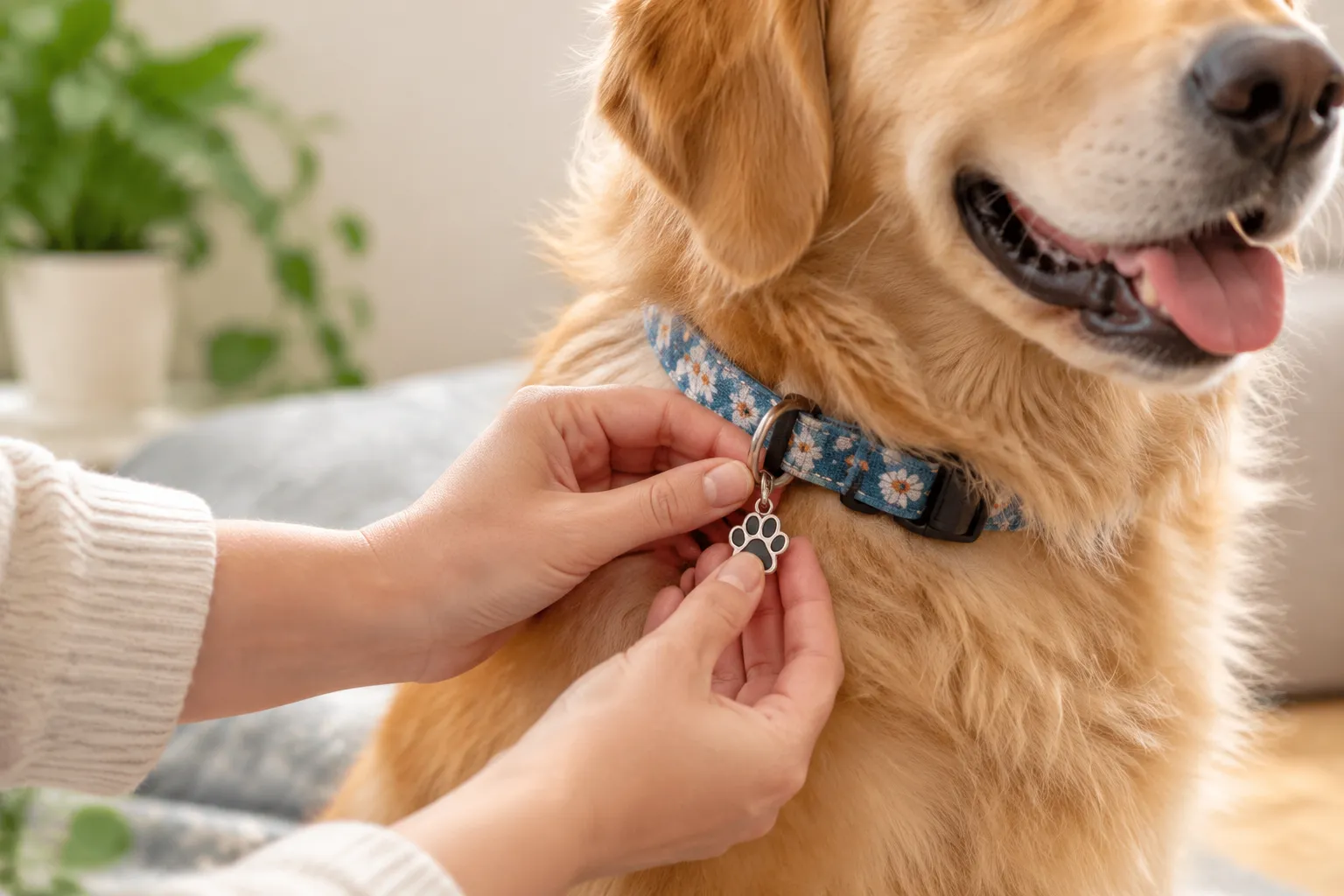
Plastic buckles, oversized D-rings, and shiny gold-tone clasps borrowed from handbag hardware are a reliable signal of a costume made to be photographed once and then retired. They clatter, they scratch, and they read as decoration rather than function.
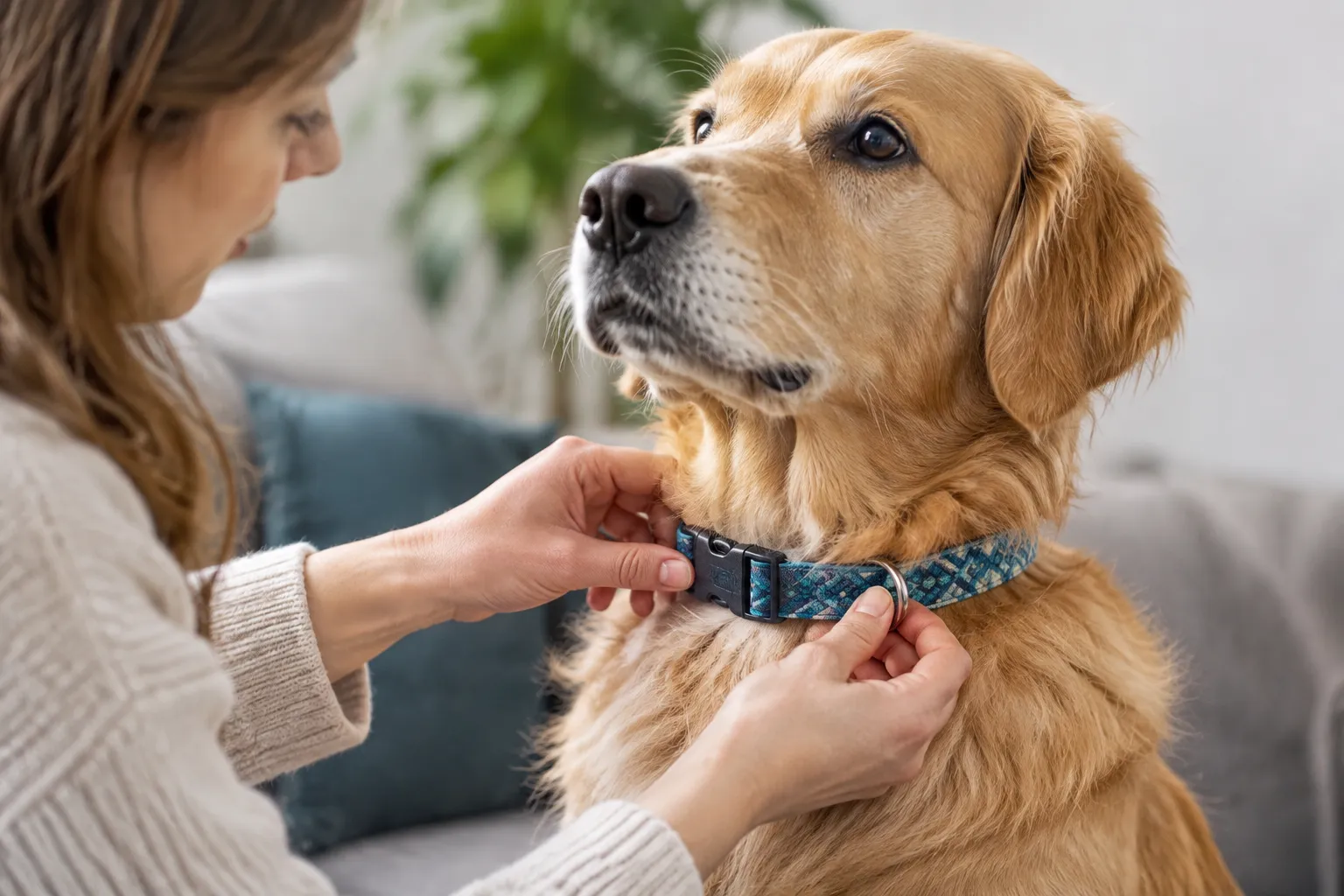
Real pet gear uses small, functional hardware: a sturdy side-release buckle sized to the animal, a metal D-ring for a leash attachment, snaps that actually snap. The scale matters as much as the material. A buckle the size of a thumbnail on a ten-pound dog looks proportionate. The same buckle on a forty-pound dog looks like a toy.
There is also a safety angle here that gets overlooked. Decorative hardware, especially glued-on rhinestones and dangling charms, is a chew hazard on an animal that will absolutely investigate anything new attached to its own body. Small, securely sewn, and metal beats large, glued, and plastic every time.
Costume Details Built for a Human Silhouette
The single most common reason a pet outfit looks cheap is that it was designed by someone thinking about a human body. A dog is horizontal. A cat is a low, flexible tube. Neither has shoulders in the human sense, and neither has the proportions that make a waistcoat or a cape read as elegant.
This is why so many pet costumes look wrong even when the construction is fine. The lapels are too wide. The cape is cut for a human shoulder line and hangs like a curtain. The little bow tie sits at the wrong angle because the neck it was designed for was vertical. The costume is fighting the animal's anatomy, and the animal is losing.
Good pet apparel works with the body. A harness-style costume that wraps the chest and leaves the legs free. A coat cut to follow the spine and curve around the tail. A collar-and-bow combination that sits at the throat rather than the chest. The pieces that look expensive are the ones that were drafted around a four-legged frame from the start.
Trims That Pucker and Hang
Lace, fringe, feathers, and rickrack are the details that make a costume feel finished, and they are also the details that cheap out fastest. A poorly applied trim puckers the fabric beneath it, and the puckering shows from three feet away. Fringe that was glued rather than sewn sheds onto the carpet within an hour. Feathers are almost always a mistake on an animal that will groom itself.
A trim that lies flat, follows the seam line, and is stitched rather than glued can make a plain garment look considered. A trim that waves, bunches, or hangs at a crooked angle does the opposite, and it does it loudly. When in doubt, fewer trims better applied beat more trims sloppily attached.
The Wash Test a Costume Never Passes
Pet clothing gets washed, because pets are pets. A costume that survives one gentle cycle and comes out looking the same is a costume built to last. A costume that pills, fades, shrinks, or loses half its trim in the machine was never meant to be worn more than once, and that is the clearest definition of cheap there is.
The wash test is also a good buying test. Turn the garment over and read the care label. If there is no label, that is a signal. If the label says spot clean only, the maker is telling the buyer that the materials will not survive water, which is a strange thing to build a piece of clothing out of. A cotton blend that can go in a mesh bag on cold and hang dry is the standard to look for.
The Costume That Outlives the Holiday
There is a version of this that ends with a costume in a landfill by November 1, and a version that ends with a costume folded in a drawer and brought out again the next year, and the year after that, because it still fits and still looks good. The difference between those two outcomes is entirely in the choices above: a matte fabric that washed well, a seam that held, a fit that was drafted around an actual animal.
The best test of a pet outfit is not how it looks in the first photograph. It is how it looks after a walk in the rain, a roll in the grass, and a trip through the washing machine, which is the kind of wear a real animal puts on real clothing. An outfit that survives that and still hangs correctly is the one worth keeping. Everything else was a rental.